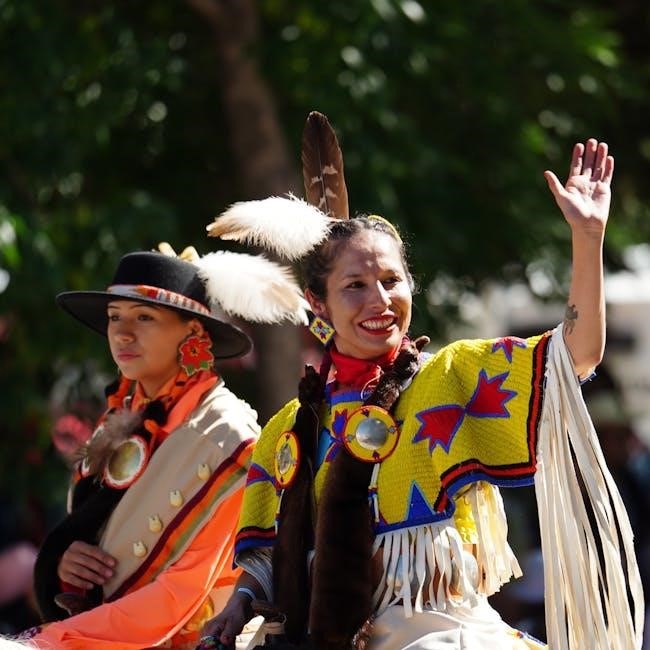
native american spirit guide
Native American traditions deeply value the connection with spirit animals, known as guides or totems, offering profound spiritual guidance and insight into one’s life path.
These animal allies, central to many Indigenous cultures, represent inherent qualities and lessons, fostering a harmonious relationship between the physical and spiritual realms.
Exploring these beliefs unveils a rich tapestry of symbolism, revealing how these powerful creatures assist individuals on their journey of self-discovery and personal growth.
What are Native American Spirit Guides?
Native American spirit guides, often referred to as animal totems or spirit animals, are believed to be powerful entities that offer guidance, protection, and wisdom to individuals throughout their lives. These guides aren’t deities, but rather representations of natural forces and archetypal energies embodied in animal form.
They act as intermediaries between the human and spirit worlds, providing insights into personal challenges and opportunities. The connection is deeply personal, with each person potentially having multiple guides appearing at different stages of life.
These guides communicate through dreams, visions, synchronicities, and intuitive feelings, offering support and direction on one’s unique path. Recognizing and understanding these messages is key to unlocking their wisdom.
The Historical Context of Animal Spirits
Native American reverence for animal spirits dates back millennia, deeply interwoven with the earliest cultures of the continent. For countless generations, Indigenous peoples have observed animals, recognizing their unique characteristics and inherent power. This observation evolved into a belief system where animals were seen as teachers, protectors, and embodiments of spiritual forces;
Historically, young men sought spirit animals through vision quests, enduring trials to connect with their guide. These encounters weren’t merely symbolic; they were considered profound spiritual experiences shaping identity and purpose.
This tradition reflects a worldview where humans are interconnected with all living things, and animals hold vital roles in maintaining balance and harmony.
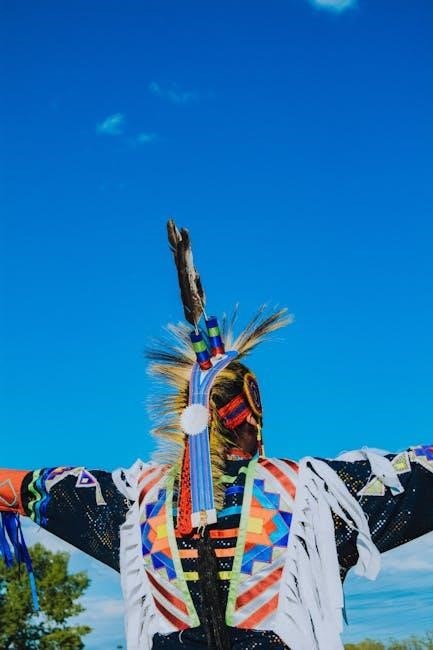
Understanding Totem Animals
Totem animals represent a lifelong spiritual connection, embodying unique qualities and offering guidance. These powerful allies reflect an individual’s character and life purpose.
They are considered sacred companions, providing strength, wisdom, and protection throughout one’s journey.
Defining Totem Animals and Their Significance
Totem animals, deeply rooted in Native American spirituality, are more than mere symbols; they are powerful spirit allies representing inherent characteristics and life lessons. These animals aren’t chosen, but rather reveal themselves through experiences, dreams, or intuition, forging a profound connection.
Their significance lies in offering guidance, protection, and a deeper understanding of one’s self. They embody specific strengths – courage, loyalty, adaptability – mirroring aspects of the individual’s personality or challenges they face.
Recognizing a totem animal signifies a call to embrace those qualities and navigate life with greater awareness and purpose, fostering harmony between the physical and spiritual realms.
Lifelong Companionship: The Spirit Animal Bond
The relationship with a spirit animal isn’t a fleeting encounter, but a lifelong companionship built on mutual respect and understanding. Unlike a temporary guide, a totem animal often remains a constant presence throughout one’s life, offering unwavering support and wisdom.
This bond transcends the physical world, existing on a spiritual plane where communication occurs through intuition, dreams, and synchronicities. It’s a reciprocal connection; honoring the animal’s spirit strengthens the link, deepening the guidance received.
This enduring alliance provides a sense of belonging and purpose, reminding individuals of their inherent strengths and potential.
Identifying Your Spirit Guide
Discovering your animal totem involves introspection through dreams, meditation, and shamanic journeys, revealing the spirit animal uniquely connected to your life’s purpose.
Methods for Discovering Your Animal Totem
Unveiling your spirit animal requires dedicated exploration and a willingness to connect with the natural world. Paying attention to recurring animal appearances in your life – whether in dreams, meditations, or waking moments – is a crucial first step.
Journaling about these encounters, noting the circumstances and your emotional response, can reveal patterns and deeper meanings. Spending time in nature, observing animal behavior, and seeking quiet contemplation can also facilitate a connection.
Consider guided meditations specifically designed for spirit animal discovery, or explore shamanic journeying techniques under the guidance of an experienced practitioner. Trust your intuition; the animal that resonates most strongly is likely your guide.
Dreams and Visions as Indicators
Dreams often serve as a potent gateway to the spirit world, frequently featuring animal symbolism that points towards your totem. Pay close attention to the animals that appear vividly or evoke strong emotions within your dreamscape. These aren’t random occurrences; they’re messages from your subconscious and spirit guides.
Visions, whether experienced during meditation or waking life, can also offer clear indicators. A sudden, striking encounter with a particular animal, or a recurring image, may signify its presence as a spirit guide.
Record these experiences in a dream journal, analyzing the animal’s behavior and the overall feeling of the vision. Trust your intuition when interpreting these signs.
Meditation and Shamanic Journeying
Meditation provides a quiet space to connect with your inner self and open yourself to guidance from the spirit world. Focused breathing and visualization can facilitate encounters with your animal totem. Imagine yourself in a natural setting, inviting an animal guide to reveal itself.
Shamanic journeying, a more active technique, involves entering an altered state of consciousness – often with drumming – to travel to the spirit realm. This allows direct interaction with animal spirits, seeking their wisdom and guidance.
Working with a qualified shamanic practitioner is recommended for beginners, ensuring a safe and respectful journey.

Common Native American Spirit Animals and Their Meanings
Certain animals frequently appear as spirit guides, each embodying unique traits and lessons. Bear signifies strength, Eagle represents vision, and Wolf embodies loyalty and intuition.
Bear: Strength, Introspection, and Healing
The Bear holds a prominent place in Native American symbolism, representing immense physical strength, courage, and grounding. Beyond brute force, Bear embodies powerful introspection, urging individuals to delve deep within themselves for self-awareness and understanding.
This spirit animal often appears when healing is needed – not just physically, but emotionally and spiritually. Bear teaches the importance of boundaries, hibernation for renewal, and protecting one’s energy.
Connecting with Bear energy encourages facing challenges with resilience and embracing the cyclical nature of life, death, and rebirth. It’s a reminder to trust instincts and stand firmly in one’s power.
Eagle: Vision, Courage, and Spiritual Connection
The Eagle soars as a sacred messenger in many Native American traditions, embodying unparalleled vision, courage, and a profound connection to the Divine. Its ability to fly to great heights symbolizes a clear perspective, rising above limitations and gaining a broader understanding of life’s challenges.
Eagle medicine encourages bravery, freedom, and the pursuit of spiritual truth. It represents a powerful link between the earthly realm and the spirit world, facilitating communication and guidance.
Those guided by Eagle are often called to leadership, to inspire others, and to embrace their own unique power with grace and unwavering conviction.
Wolf: Loyalty, Intuition, and Freedom
The Wolf holds a prominent place in Native American symbolism, revered for its strong family bonds, keen intuition, and untamed spirit of freedom. Often seen as a teacher, the Wolf guides individuals to deepen their connection with their instincts and inner wisdom.
Wolf medicine emphasizes loyalty, both to oneself and to one’s pack, and encourages a balanced approach to independence and community. It represents the power of observation and the ability to navigate life’s complexities with grace.
Those connected to the Wolf are often fiercely protective and possess a strong sense of justice.
Coyote: Trickster, Intelligence, and Adaptability
In Native American lore, the Coyote is a complex figure – a trickster, yes, but also a symbol of intelligence, adaptability, and a playful approach to life’s challenges. Often portrayed as a mischievous character, Coyote teaches valuable lessons through humor and unexpected turns.
This spirit animal encourages individuals to embrace their creativity, question societal norms, and find innovative solutions to problems. Coyote embodies the power of transformation and the ability to thrive in any environment.
Its presence suggests a need for lightness and a willingness to learn from mistakes.
Otter: Playfulness, Creativity, and Problem-Solving
The Otter, as a Native American spirit animal, embodies joy, playfulness, and a unique approach to navigating life’s currents. Known for its nimble nature and love of water, the Otter symbolizes emotional fluidity and adaptability. This totem encourages embracing spontaneity and finding joy in the present moment.
Otter’s energy fosters creativity and innovative problem-solving, suggesting a need to approach challenges with a light heart and a flexible mindset. It reminds us to trust our instincts and enjoy the journey.
Individuals connected to Otter often possess a natural charisma and a talent for bringing people together.
The Nine Animal Guides
Native American tradition posits that nine complementary animals accompany each individual throughout life, supporting their journey and offering unique strengths.
These guides provide balanced assistance, addressing various aspects of existence and fostering holistic well-being.
The Concept of Nine Complementary Animals
Native American belief systems, particularly within certain tribal traditions, suggest that individuals aren’t guided by a single spirit animal, but rather a power group of nine.
These aren’t necessarily the most obvious or desired animals, but rather a carefully curated set designed to provide comprehensive life support.
The nine animals represent different facets of a person’s being – shadow self, healing aspects, life purpose, and more – creating a balanced spiritual ecosystem.
This system acknowledges human complexity, recognizing that growth requires addressing all parts of oneself, even those less comfortable or understood.
Discovering these nine guides offers a profound path to self-awareness and wholeness.
How These Guides Support Life’s Journey
Native American tradition posits that the nine spirit animals work in concert to navigate life’s complexities, offering unique strengths at different stages.
Some guides provide protection and courage during challenging times, while others inspire creativity and joy, fostering emotional well-being.
These animal allies aren’t about solving problems for you, but rather empowering you with the wisdom and energy to overcome obstacles independently.
They offer guidance through dreams, synchronicities, and intuitive feelings, prompting self-reflection and informed decision-making.
Ultimately, the nine guides support a journey of continuous growth, resilience, and authentic self-expression.
Cultural Variations in Spirit Animal Beliefs
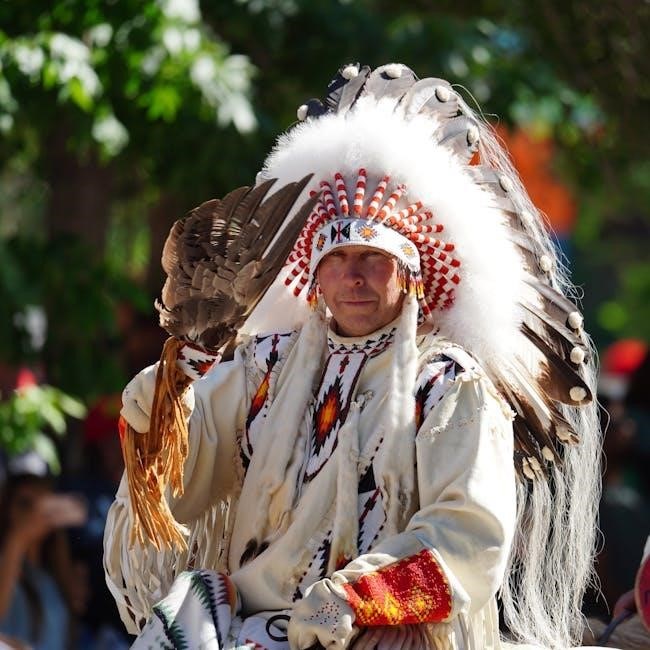
Native American spirit animal interpretations differ significantly between tribes, like the Lakota, showcasing unique symbolism and traditions regarding animal powers and guidance.
Lakota Traditions and Spirit Animal Symbolism
Lakota traditions hold spirit animals, or wanagi, as sacred entities offering guidance and protection throughout life’s journey. These aren’t merely symbolic; they are believed to be powerful allies with distinct characteristics.
Discovering one’s wanagi involves deep introspection, vision quests, and respectful observation of the natural world. The animal chosen isn’t random, but reflects the individual’s personality, strengths, and challenges.
Symbolism varies – for example, the bear embodies strength and healing, while the eagle signifies vision and courage. Understanding these meanings provides insight into personal growth and spiritual development within the Lakota worldview.
Tribal Differences in Interpretation
Native American beliefs surrounding spirit animals aren’t monolithic; interpretations vary significantly between tribes. Each nation possesses unique traditions, stories, and understandings of animal symbolism.
For instance, while the wolf often represents loyalty across many cultures, specific nuances differ; Some tribes view coyotes as tricksters, while others see them as intelligent teachers. These distinctions reflect diverse ecological relationships and spiritual philosophies.
Acknowledging these tribal differences is crucial for respectful engagement with Native spirituality, avoiding generalizations and honoring the specific worldview of each nation.

Connecting with Your Spirit Guide
Building a relationship with your animal ally requires respect, open communication, and mindful offerings, fostering a deeper spiritual connection and reciprocal exchange of energy.
Building a Relationship with Your Animal Ally
Establishing a strong bond with your spirit animal is a deeply personal and ongoing process. Begin by acknowledging and honoring its presence in your life through gratitude and respectful intention. Regular meditation, focused on connecting with the animal’s energy, can deepen the link.
Offerings, such as small tokens representing the animal or acts of service aligned with its symbolism, demonstrate reverence. Pay attention to signs and synchronicities – feathers, repeated sightings, or dreams – as messages from your guide.
Listen to your intuition and observe how the animal’s qualities manifest in your life, allowing its wisdom to guide your decisions and actions. Remember, this is a reciprocal relationship built on mutual respect and trust.
Respectful Interaction and Offerings
Approaching spirit animals with reverence is paramount. Avoid appropriation and understand the deep cultural significance these guides hold within Native American traditions. Offerings aren’t about bartering, but demonstrating gratitude and acknowledging the spirit’s energy.
Simple gestures like leaving natural items – stones, feathers, or water – in a respectful place can suffice. Acts of service aligned with the animal’s symbolism, such as conservation efforts for a specific species, are also meaningful.
Always approach with a humble heart, seeking guidance rather than demanding it. Avoid projecting human expectations and allow the animal to communicate in its own way, through dreams, intuition, or signs.
Spirit Animals and Personal Growth
Animal wisdom offers potent tools for self-improvement, encouraging integration of their strengths into daily life, fostering resilience, and unlocking hidden potential for transformation.
Utilizing Animal Powers for Self-Improvement
Drawing upon the characteristics of your spirit animal can significantly enhance personal growth. For instance, embodying the bear’s strength aids in overcoming obstacles, while the eagle’s vision promotes clarity and perspective.
The wolf’s loyalty encourages stronger relationships, and the coyote’s adaptability fosters resourcefulness.
By consciously channeling these animal powers, individuals can address personal weaknesses and cultivate desired traits.
Meditation and mindful reflection on your animal guide’s attributes facilitate this integration, leading to a more balanced and fulfilling life aligned with your authentic self.
Integrating Animal Wisdom into Daily Life
To truly benefit from your spirit animal’s guidance, integrate its wisdom into everyday actions. Observe how the otter’s playfulness can inspire creativity in problem-solving, or how the eagle’s courage can empower you to face challenges.
Small, consistent practices – like journaling about your animal’s influence or visualizing its energy – deepen the connection.
Allow your totem animal to inform your decisions, fostering intuition and authenticity.
This ongoing integration transforms animal wisdom from abstract knowledge into a lived experience, enriching your life with purpose and meaning.

Modern Interpretations and Practices
Contemporary spirituality blends Native American traditions with practices like tulpamancy, exploring spirit animals as personalized guides for self-discovery and inner work.
Spirit Animals in Contemporary Spirituality
The concept of Native American spirit animals has permeated contemporary spirituality, often adapted and reinterpreted within New Age and eclectic belief systems. While acknowledging the deep cultural roots, modern practitioners frequently utilize spirit animal guidance for personal growth and self-understanding.
This often involves intuitive exploration, meditation, and dreamwork to identify and connect with one’s animal allies. However, it’s crucial to approach this practice with respect and sensitivity, recognizing the sacredness of these traditions and avoiding cultural appropriation.
Many seek guidance from these animal spirits to navigate life’s challenges, unlock hidden potential, and deepen their connection to the natural world, fostering a sense of wholeness and purpose.
Similarities to Tulpamancy and Other Practices
Interestingly, some contemporary explorations suggest parallels between summoning a spirit animal and practices like tulpamancy – the intentional creation of a sentient being through focused thought. Both involve a degree of focused intention, visualization, and the development of a relationship with a non-physical entity.
Similar connections can be drawn to energy work and shamanic practices, where practitioners intentionally interact with spirits for healing or guidance. However, it’s vital to distinguish these approaches; spirit animal connection traditionally stems from inherent, natural alignment, rather than deliberate creation.
These comparisons highlight the broader human capacity for interacting with subtle energies and non-ordinary realities.
Resources for Further Exploration
Numerous books and websites delve into Native American spirituality, offering deeper insights into spirit animals and related traditions. Seek qualified teachers for respectful guidance.
Books and Websites on Native American Spirituality
Exploring Native American spirit guides requires careful selection of resources, prioritizing authenticity and respect for Indigenous cultures. Several books offer valuable insights, including those detailing Lakota traditions and totem animal symbolism. Websites dedicated to Native American spirituality can provide further information, but discernment is crucial.
Look for sources created by or in collaboration with Native American authors and knowledge keepers. Be wary of appropriation and ensure the material honors the sacredness of these beliefs. Reputable resources often emphasize the importance of respectful interaction and understanding the cultural context surrounding spirit animal connections.
Remember to approach this topic with humility and a genuine desire to learn from Indigenous wisdom.
Finding Qualified Teachers and Guides
Embarking on a deeper exploration of Native American spirit guides often benefits from guidance from experienced teachers. However, finding qualified individuals requires diligence and respect. Prioritize teachers who are actively involved within recognized Native American communities and possess demonstrable lineage or permission to share this knowledge.
Avoid those who offer generalized “shamanic” practices without specific cultural grounding. Seek recommendations from trusted sources and verify credentials carefully. A genuine teacher will emphasize reciprocity, ethical conduct, and the importance of honoring Indigenous protocols.
Remember, authentic guidance stems from lived experience and cultural responsibility.